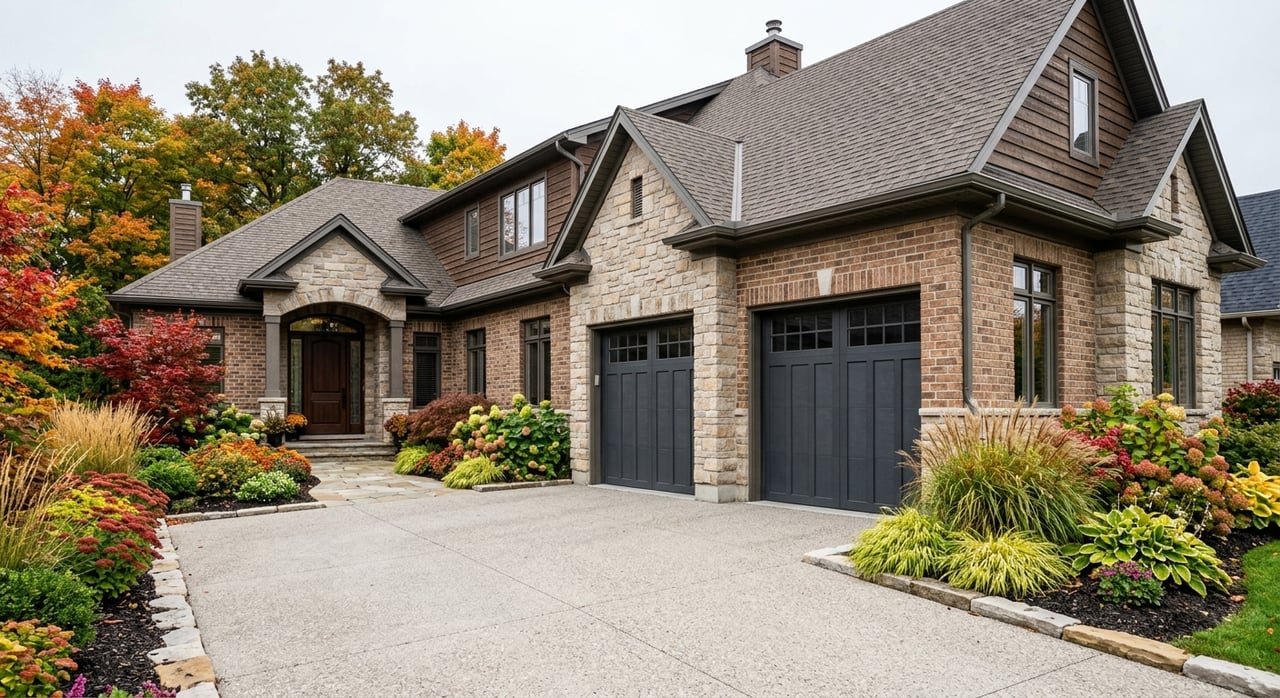
Tinley Park First Time Buyers Guide for Smarter Planning
May 28, 2026
May 28, 2026
Buying your first home in Tinley Park can feel exciting right up until you start comparing list prices, taxes, HOA dues, and how fast homes are selling. If you are trying to figure out what is actually affordable and what to expect from the process, you are not alone. This guide breaks down Tinley Park’s first-time buyer market in plain English so you can budget smarter, shop with more confidence, and move forward with a clear plan. Let’s dive in.
Tinley Park offers a mix of condos, townhomes, and detached homes in a well-established south suburban market. The village had 55,971 residents in the U.S. Census Bureau’s 2020-2024 estimates, with a median household income of $105,189 and a median owner-occupied home value of $299,900. In spring 2026 market snapshots, median sale and list prices were sitting in the low-to-mid $300,000s.
For many buyers, the draw is not just price. Tinley Park is about 30 miles southwest of downtown Chicago and has access to the I-80 corridor, along with connections to several major expressways. The village also has two Metra Rock Island District stations, Tinley Park and 80th Ave., which makes it a practical choice if your routine includes commuting into the city or across the south and southwest suburbs.
Your price range in Tinley Park usually depends on the type of home you want. The most affordable entry points are often condos, followed by townhomes, with many detached homes starting higher. That said, your monthly payment can shift quite a bit based on HOA dues, taxes, and location within the village.
Condos are often the lowest-cost way to buy into Tinley Park. Current public inventory examples have ranged from about $169,500 to $279,900, with a condo median listing price around $230,000. If you are focused on keeping your purchase price lower, this is usually where your search starts.
The key thing to remember is that HOA dues matter. Current condo listings show HOA fees in roughly the $235 to $376 per month range. That means a lower list price does not always equal a lower monthly housing cost.
Townhomes are a common sweet spot for first-time buyers who want more space than a condo but need a lower price point than many detached homes. Citywide snapshots have shown a median townhome listing price around $345,000. Some communities have offered lower entry points, while newer or more updated options can push higher.
Examples in current market snapshots include Brementown around $308,000, Town Pointe around the low-to-mid $300,000s, and new-construction Oak Ridge Townhomes starting around $338,990. On the higher end, Brookside Glen townhomes have shown prices around $429,000. That spread shows how much age, finish level, and HOA structure can affect value.
Detached homes in Tinley Park often sit closer to or above the village median. Tinley Park’s citywide median sale price was $346,000 in March 2026. In the 60477 ZIP code, median listing prices were around $322,150, while 60487 was higher, around $374,900 to $389,900.
There are still some lower-priced reference points in the market. Area snapshots in 60477 have shown Westberry Village around $265,000 and The Pines around $266,450. Still, in general, many detached starter homes begin in the mid-$300,000s and go up from there, especially if they are updated.
Tinley Park is better understood as a collection of smaller starter-home micro-markets than one single entry-level area. That is helpful for first-time buyers because it means your options may open up when you stay flexible about home type and exact location. Instead of searching for one perfect neighborhood name, it often makes more sense to compare communities by price range, HOA costs, and commute convenience.
Current portals regularly show activity in Brookside Glen, Brementown, Town Pointe, Oak Village, Tinley Terrace, Harlem Avenue Estates, Westberry Village, and The Pines. For many budget-conscious buyers, Brementown, Town Pointe, Oak Village, Westberry Village, and The Pines tend to be the more approachable price pockets in active market snapshots.
Brookside Glen and newer construction along the Oak Ridge corridor generally sit higher in Tinley Park’s price range. If you are shopping at the top of your budget, keeping an open mind about older townhomes or condos in other parts of the village may give you more flexibility. In a market like this, the right fit often comes down to your total monthly cost, not just the address.
One of the biggest mistakes first-time buyers make is focusing too much on the purchase price and not enough on the full monthly payment. In Tinley Park, HOA dues and property taxes can change affordability more than many buyers expect. A home that looks cheaper on paper may actually cost more month to month.
When you build your budget, include:
This matters even more in Tinley Park because the village spans both Cook County and a portion of Will County. Taxes are not one-size-fits-all, and buyers should review each property at the parcel level.
Property taxes in Tinley Park deserve close attention before you buy. According to the village’s finance report, property taxes are levied in December and attach as a lien on the previous January 1. Cook County tax bills are generally issued on or about February 1 and July 1, while Will County bills are generally issued on or about May 1.
It also helps to know that your tax bill is shared across several local taxing bodies, not just the village. If you are buying in Cook County, the Cook County Assessor administers exemptions such as the general homestead, senior citizens, and disabled-veteran programs. Before closing, confirm which county the property is in and whether any current exemption status may change after the sale.
Tinley Park is a strong fit for buyers who want suburban living with regional access. The village notes that it sits on the I-80 corridor, with connections to I-57, I-355, I-55, I-90, I-294, and I-94 through I-80. That road access can make a real difference if your work, family, or daily routine takes you across multiple suburbs.
For rail commuters, Tinley Park has two Metra Rock Island District stations and nearly 3,000 commuter parking spaces. The Tinley Park station connects to Pace Route 386, and the village notes express trains from 80th Ave. to downtown Chicago. At the same time, market sources describe Tinley Park as minimally walkable, so most buyers should plan around a car-plus-rail lifestyle rather than expecting daily errands on foot.
Tinley Park is active, and first-time buyers should be prepared. Recent citywide data showed homes receiving about four offers on average and selling in about 47 days. In 60477, the median days on market was even lower at 24 days, with homes selling at approximately asking price on average.
That does not mean every listing will spark a bidding war. It does mean you should get preapproved before you start touring and be ready to make decisions quickly when a well-priced home hits your criteria. Good preparation gives you more options and less stress.
Once your offer is accepted, the process moves from exciting to detail-heavy. In Illinois, buyers are not legally required to hire a lawyer, but Illinois Legal Aid says hiring one is recommended. Many contracts also include an attorney review period, which can be an important part of the transaction.
You should also schedule the home inspection as soon as possible. Home inspectors in Illinois must be licensed, and buyers usually pay for the inspection. An inspection is different from an appraisal, and depending on your contract terms, inspection contingencies may allow you to renegotiate or cancel if serious issues are found.
The appraisal is the lender’s independent opinion of value. If it comes in below the contract price, you may need to renegotiate or revisit the valuation. It is also important to remember that closing costs typically run about 2% to 5% of the purchase price, so your cash planning should go beyond the down payment.
If you want to stay organized, break the process into a few clear stages.
Start with your financing and your budget. Get preapproved, set a monthly payment cap, and make sure your number includes taxes, insurance, HOA dues, utilities, and closing costs. This helps you shop with realistic expectations from day one.
As you compare homes, look beyond the list price. Compare communities by total monthly cost, commute convenience, and HOA rules. In Tinley Park, two homes at similar prices can feel very different once those monthly costs are added up.
Use attorney review if available, schedule your inspection quickly, and keep financing and appraisal contingencies in place when possible. In a competitive market, it is easy to focus on getting under contract, but protecting your position still matters.
Complete the appraisal and title work, and keep extra cash available in case repairs, credits, or tax adjustments come up. This is also the time to confirm whether the home is in Cook County or Will County so there are no surprises around taxes and billing schedules.
Ask about any homestead exemption options that may apply and update your monthly budget once your expected tax bill is clearer. Owning the home is the goal, but keeping it affordable month to month is what creates long-term confidence.
The most successful first-time buyers in Tinley Park usually do three things well. They get financially clear before touring, they stay flexible about property type and micro-location, and they evaluate homes based on monthly cost instead of headline price alone. That approach can help you make a stronger decision in a market that moves quickly.
If you are starting your search, having local guidance can make the process feel much more manageable. A knowledgeable local agent can help you compare Tinley Park options, spot tradeoffs between condos, townhomes, and detached homes, and understand how taxes, HOA dues, and commute patterns affect the real cost of ownership. When you are ready to take the next step, connect with Michelle Madden for hands-on guidance in Tinley Park and the surrounding south and southwest suburbs.
Get assistance in determining the current property value, crafting a competitive offer, writing and negotiating a contract, and much more. Contact Michelle today.