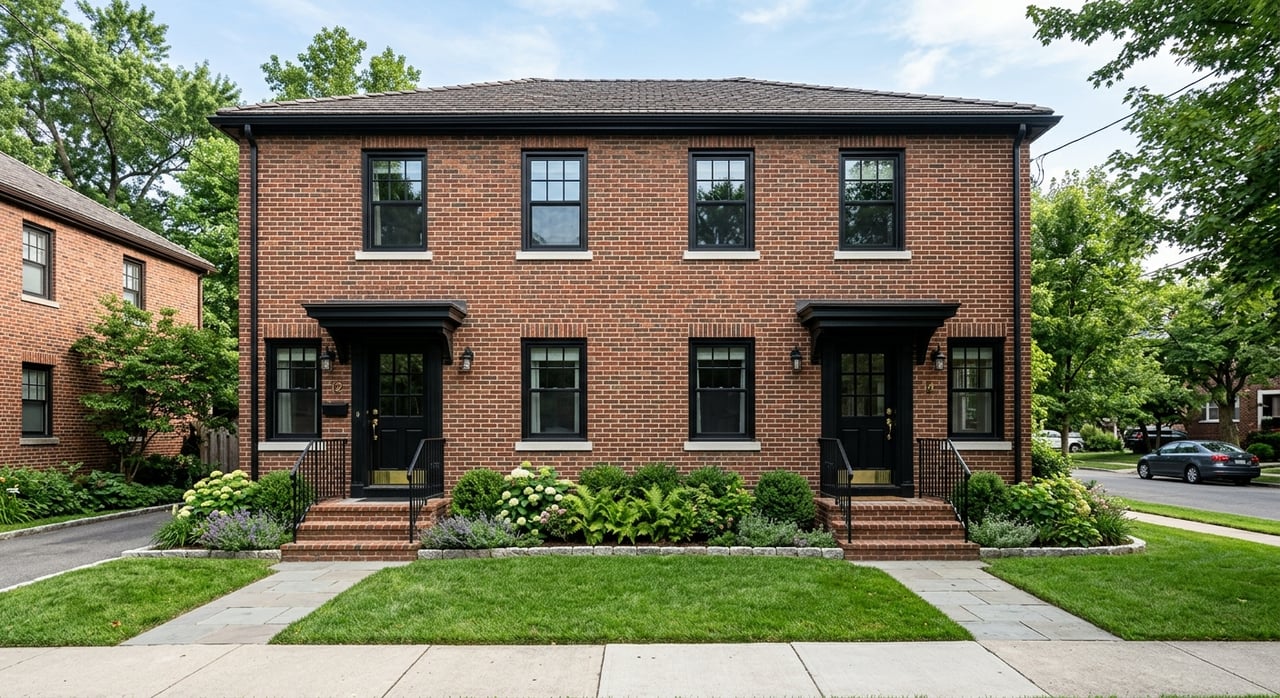
Joliet Investment Properties Guide for Small Investors
May 14, 2026
May 14, 2026
Thinking about buying an investment property in Joliet? It can be a smart move, but this is not a market where broad averages tell the whole story. If you want to invest with confidence, you need to understand neighborhood pricing, taxes, rental rules, and the real cost of maintaining older homes. Let’s break down what small investors should know before you buy.
Joliet is a large suburban city with about 149,785 residents and 50,648 households. Renter-occupied housing makes up 26.9% of occupied units, while vacant units account for 5.6%. That points to real rental demand, but it also suggests you should plan carefully for vacancy and competition.
The housing stock is also older than many buyers expect. The median year built is 1986, with 15.4% of homes built before 1940 and another 23.5% built between 1940 and 1969. For you as an investor, that means maintenance planning matters just as much as purchase price.
Citywide pricing data gives a useful starting point, but not a final answer. Zillow reports an average home value of $259,875 and an average rent of $1,520, which creates a rough gross rent-to-price ratio of about 7.0%. Using Zillow’s median sale price of $248,817 produces a similar rough ratio of about 7.3%.
At the same time, Redfin’s March 2026 snapshot shows a median sale price of $327,500 and 56 days on market. Those figures are not directly interchangeable because the sources use different methods and time frames. The takeaway is simple: treat citywide numbers as directional, then verify the deal with property-specific comps before you make an offer.
One of the biggest things small investors need to know about Joliet is how uneven neighborhood pricing can be. Zillow neighborhood medians range from $145,919 in Southside and $174,060 in Southeast Joliet to $260,639 in Cathedral. Other reported medians include $200,246 in St. Pat’s, $207,971 in St. John’s, $217,992 in Cunningham, and $231,958 in Reedwood.
That spread matters because your entry cost changes dramatically depending on where you buy. It can also affect rent-to-price performance, rehab scope, and your exit strategy later. In Joliet, block-level analysis matters much more than relying on a single citywide average.
Before you buy, it is also important to confirm zoning and neighborhood status for the exact address. The City of Joliet’s Public Access Map and zoning tools can help verify district information and whether a small multifamily use is allowed. That step can save you from making assumptions that do not hold up after closing.
Joliet has two National Register Historic Districts: Upper Bluff and East Side. The city notes that National Register designation does not by itself restrict use or disposition. Still, these areas often involve older homes and a preservation context that can affect rehab planning, permit review, and resale.
For you, the practical point is not to avoid these areas automatically. Historic-core neighborhoods can offer character and location advantages. You just want to underwrite repairs and project timelines carefully before you commit.
Joliet is still primarily a single-family market. CMAP reports that 69.9% of the housing stock is single-family detached, while 5.0% is in two-unit buildings and 3.5% is in three- or four-unit buildings. That means small multifamily exists, but it makes up a much smaller share of the local inventory.
If you are deciding between a single-family rental and a duplex or small multifamily property, Joliet gives you options in both categories. A single-family home may offer a more familiar resale path. A 2 to 4 unit property may offer stronger cash flow potential if the numbers and condition work.
Recent sales also show that small multifamily inventory is active. Redfin reported sales including 502 Liberty St at $320,000 in March 2026, described as a duplex with separate gas, electric, and water heaters, and 511 E 3rd Ave at $274,000 in February 2026, described as a brick 2-flat with separate HVAC systems. Another sale, 2113 Tremont Ln, closed at $309,000 in March 2026 as a single-story duplex built in 2008.
Those details matter because utility separation can reduce owner-paid expenses. It does not guarantee better returns, but it can improve your operating picture over time. When you compare properties, pay close attention to who pays for gas, electric, water, and heating.
Joliet’s household and commuting patterns give useful clues about what many renters may prioritize. The city’s household mix is 70.0% family households and 30.0% non-family households. The median age is 35.3, and the mean commute time is 29.4 minutes.
Transportation data also stands out. About 79.7% of workers drive alone, 9.7% carpool, and only 5.7% of households have no vehicle. That suggests many renters may care more about parking, practical layouts, and manageable commutes than high-end amenities.
For a small investor, that can be a helpful lens. Durable finishes, functional floor plans, and easy day-to-day living may matter more than luxury upgrades. In many cases, simple and reliable wins.
Property taxes are one of the most important variables in a Joliet investment analysis. Will County says tax rates are determined by local taxing districts, not by the assessment office. The county also ties exemption rules to owner-occupied homestead property.
That is important because you should not underwrite a rental property as if you will receive owner-occupant relief. The City of Joliet says its 2026 budget kept the city portion of the property tax levy flat for the second straight year, but that does not remove school, county, and other overlapping district taxes from the total bill. For investors, the safest approach is to underwrite full carrying costs from the start.
A rough 7% gross rent-to-price ratio may sound promising at first glance. But gross numbers are only the beginning. Once you account for taxes, vacancy, insurance, management, and reserves, the margin can tighten quickly.
That is especially true in a market with older housing stock. With a meaningful share of homes built before 1940 or during the postwar period, you should budget conservatively for roofs, plumbing, electrical work, mechanical systems, and turnover repairs. Not every property will need major work, but your numbers should leave room for the ones that do.
Joliet does not treat rental compliance as an afterthought. The city’s Rental Inspection Program requires owner registration, a crime-free addendum, inspection consent, and a landlord checklist. The owner contact phone number must be answerable 24 hours a day, 7 days a week.
There is also a local contact rule. If the owner lives outside a 30-mile radius of Joliet, the city requires a local agent or contact. The city states that noncompliance can lead to denial, nonrenewal, suspension, or revocation of the rental dwelling license.
If a property becomes vacant or abandoned, Joliet has a separate vacant-property registration process with recurring inspections. For a small investor, this means local management and compliance planning are not optional details. They are part of the deal from day one.
If you are considering an investment purchase in Joliet, a conservative approach can help you avoid expensive surprises. Focus on real numbers for the exact property, not just market headlines. A deal that looks fine on paper can change quickly once taxes, repairs, and compliance costs are added.
A practical review should include:
This kind of discipline may narrow your options, but it can also protect your long-term returns.
Joliet can offer real opportunity for small investors, but it rewards buyers who do their homework. Pricing can vary sharply by neighborhood. Taxes and compliance rules can shift the math. Older housing can create value, but only if you plan for the true cost of ownership.
That is why local guidance matters so much here. You want someone who can help you compare neighborhood-specific comps, flag address-level issues, and keep the process grounded in facts instead of guesswork. If you are exploring investment opportunities in Joliet or nearby south and southwest Chicagoland communities, Michelle Madden can help you evaluate your options with a practical, local perspective.
Get assistance in determining the current property value, crafting a competitive offer, writing and negotiating a contract, and much more. Contact Michelle today.