Homer Glen Acreage Living Guide: What to Know First
July 9, 2026
July 9, 2026
If you picture acreage living as total freedom and wide-open space with no rules, Homer Glen may surprise you. This village offers room to spread out, but it also comes with clear standards for land use, lighting, fences, utilities, and outbuildings. If you are wondering whether a larger property here fits your lifestyle, this guide will help you understand the day-to-day reality. Let’s dive in.
Homer Glen stands out as a suburban-rural hybrid. According to the village community profile, it is about 25 miles southwest of downtown Chicago, covers roughly 22 square miles, and has 24,529 residents. The same profile notes 13 parks, 17 miles of multi-use trails, and more than 1,400 acres of public land.
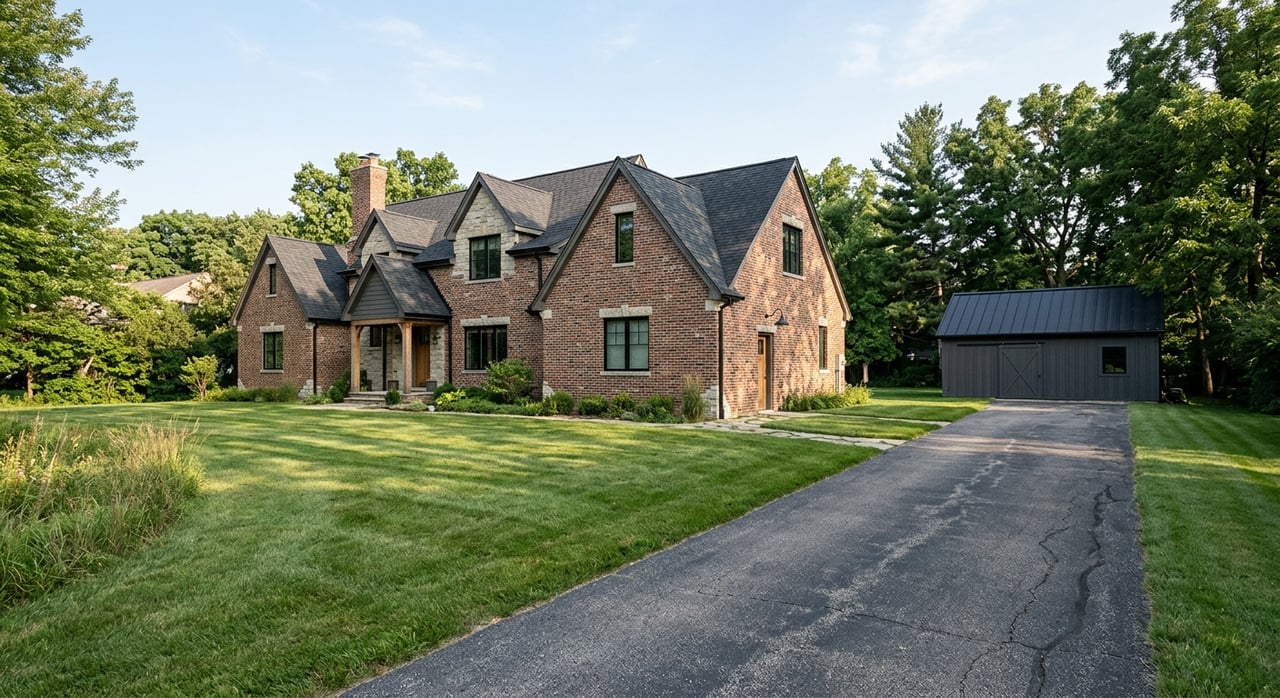
That mix shapes what acreage living feels like here. You can find larger parcels, more breathing room, and a countryside feel, but you are still in a well-defined suburban market with code oversight and strong community planning. For many buyers, that balance is exactly the appeal.
One of the biggest misconceptions about Homer Glen is that every home sits on a huge lot. In reality, acreage living is just one part of the housing mix. Village conservation-subdivision rules include lot minimums ranging from 40,000 square feet in some areas with sewer and water down to 12,000 square feet in R-3A districts.
That matters if you are starting your home search with a broad idea of “land.” Not every section of Homer Glen will offer the same lot size, utility setup, or use flexibility. A local, property-specific approach is important here.
Homer Glen’s zoning code shows a clear intent to preserve larger-lot character in certain areas. The E-2 district is intended to preserve and maintain large-lot rural estate areas and the community’s countryside character. An official E-1 district comparison lists a 5-acre minimum lot size, 300-foot minimum lot width, 270-foot frontage, 20% maximum lot coverage, and accessory structures capped at 3.5% of lot area, up to 10,000 square feet.
In plain terms, that means larger-lot living here is designed, not accidental. The village has standards meant to protect spacing, open ground, and the overall feel of these estate-style areas. If you want acreage with a more intentional long-term character, that can be a real plus.
A bigger lot usually means a different rhythm of homeownership. More land often brings more mowing, pruning, leaf cleanup, snow clearing, and general outdoor upkeep. You may also need to pay closer attention to drainage, tree care, and detached structures.
That does not make acreage living harder for everyone. It simply means your property will likely ask more of your time, budget, or service plan than a smaller suburban lot. If you enjoy being outside, entertaining, gardening, or having space for pets and equipment, that tradeoff may feel worthwhile.
Many buyers assume privacy on acreage comes from being able to fence everything in. In Homer Glen, privacy tends to come more from lot size, setbacks, and landscaping than from unrestricted fencing. Village rules allow front-yard fences or walls only as open designs up to four feet high, while side and rear fences can generally reach six feet.
Fences, walls, and pools also require permits and must meet village specifications. So if your vision includes a very specific outdoor setup, it is smart to confirm the rules early. On a larger lot, thoughtful placement and landscaping often do more for privacy than fencing alone.
One lifestyle detail buyers sometimes overlook is lighting. Homer Glen has an outdoor lighting ordinance, and village materials identify it as an International Dark Sky Community. That means exterior lighting is more controlled than in many nearby suburbs.
For some homeowners, this is a real benefit. It can help preserve a quieter nighttime feel and reduce excessive glare. If you love the idea of a darker, calmer evening environment, this is one of the more distinctive parts of acreage living in Homer Glen.
Utility setup is one of the most important things to understand before buying a larger parcel. Homer Glen’s land-use code says every zoning district must leave enough unoccupied ground area for sewage disposal and water supply that meet Will County and Illinois standards. Site plans must also show the proposed sewer or septic system and well location, if applicable.
The village water-resource ordinance states that public water and sewer are required for subdivisions within 1,320 feet of existing mains, subject to exceptions, while individual water supplies may be permitted under state and village rules. In practical terms, some larger-lot homes may have public utilities, while others may rely on private systems.
If a property uses a private well, testing and maintenance are part of ownership. Illinois EPA and the Illinois Department of Public Health say private-well owners are primarily responsible for testing and maintenance. Illinois EPA also notes that annual testing for key contaminants is recommended for private wells.
If a home uses septic, that also comes with regular upkeep. Illinois EPA homeowner guidance says pumping every 2 to 3 years or more often if needed, and EPA guidance recommends inspections every 1 to 3 years and pumping every 3 to 5 years. The exact schedule can vary, but the key point is simple: these systems need routine attention.
Extra land can create exciting possibilities, but it does not mean every use is automatically allowed. Homer Glen requires accessory buildings to be subordinate to the principal house. The code also separately regulates farm animals, chickens and bees, ponds, kennels, and private stables or horse boarding.
That is important if you are shopping for a property with a future plan in mind. Whether you want a detached building, a pool, a garden setup, or another outdoor feature, the best path is to verify what is allowed on that specific property before you fall in love with an idea.
For the right buyer, acreage living in Homer Glen can feel like getting more breathing room without losing access to everyday convenience. The village profile highlights two I-355 interchanges on the western border, commuter access, Lake Michigan water, and a substantial park-and-trail system. That combination helps explain why this lifestyle appeals to buyers who want both space and connectivity.
At the same time, larger-lot living is usually a weaker fit for buyers who want very low maintenance or simple exterior rules. Even on bigger parcels, Homer Glen still regulates fences, pools, lighting, accessory structures, and utility placement. Spacious does not mean unstructured.
Acreage living in Homer Glen tends to work best if you value privacy, outdoor entertaining, gardening, pets, or extra room for recreational features and equipment. It can also be a strong match if you are comfortable budgeting for exterior upkeep and property maintenance over time.
If you are deciding between a standard subdivision home and a larger-lot property, your daily habits matter just as much as your budget. The right choice depends on how you want to live, not just how much land sounds appealing on paper.
Before you buy an acreage-style property in Homer Glen, it helps to look beyond square footage and finishes. Focus on the details that shape daily ownership.
Here are a few smart questions to ask:
These answers can make a big difference in how a property functions for you long after closing day.
In a market like Homer Glen, “acreage” can mean different things from one property to the next. Lot size, utility setup, zoning, and allowable uses can all vary in ways that affect your experience and future plans. That is why a broad online search rarely tells the full story.
When you understand how a property fits within the village’s rules and your own lifestyle, you can make a more confident move. If you are exploring homes with land in Homer Glen or thinking about how to position an acreage property for sale, Michelle Madden can help you navigate the details with clear, local guidance.
Get assistance in determining the current property value, crafting a competitive offer, writing and negotiating a contract, and much more. Contact Michelle today.